Why does Playboy use bunnies as their image?
Playboy magazines often spark immediate associations with pornography. But hold on – while the magazine certainly pushed boundaries and challenged social norms, it wasn’t just about skin. It was much more than a copy of porno italiano.
Have you ever stopped to wonder why a bunny is the mascot for Playboy magazine? The image of the playful bunny in a tuxedo is instantly recognizable, but the story behind it goes deeper than just cute ears, a fluffy tail and some Italian tuxedo.
In this article, we’ll explore the fascinating history and symbolism of the Playboy bunny, from its birth in the 1950s to its lasting impact on popular culture.
The Birth of the Bunny (1953)
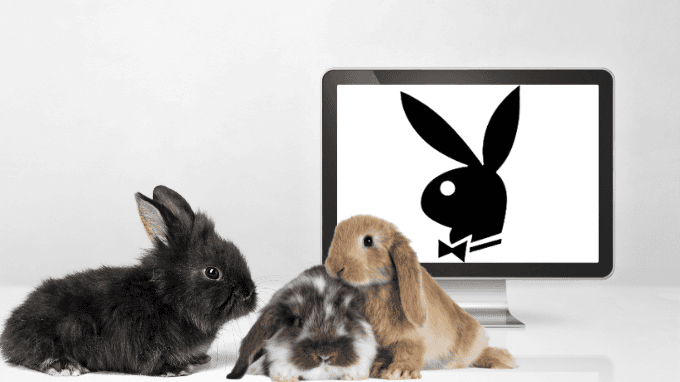
Imagine a time before the internet, before cable TV – a time when a men’s magazine could cause a cultural stir. That’s exactly what happened in 1953 when Hugh Hefner, a young entrepreneur with a vision, launched Playboy magazine.
Hefner wanted to create a magazine that catered to a sophisticated, modern man. It wouldn’t just be about scantily clad women; it would also feature interviews, articles on current events, and even cartoons.
But a new magazine needed a unique identity, something to grab attention and stand out on the crowded newsstand. That’s where the bunny comes in. The original Playboy logo wasn’t just a simple rabbit; it was a dapper fellow sporting a tuxedo and a bowtie.
The designer, Art Paul, captured the essence of Hefner’s vision – a playful yet sophisticated symbol for the magazine.
Symbolism of the Bunny: More Than Just Cute Ears
The bunny logo wasn’t chosen on a whim. It carries a specific set of connotations that perfectly aligned with the magazine’s intended image. Here’s a breakdown of the symbolism embedded in the iconic bunny:
- Playfulness and Lightheartedness: The bunny is a symbol of joy, innocence, and a carefree spirit. This playful image helped to soften the potentially controversial content of the magazine and make it more palatable to a wider audience.
- Sexuality and Subtle Flirtation: Let’s face it, there’s a certain undeniable sexual connotation associated with the bunny. It’s a subtle hint at the magazine’s content without being overly explicit. This playful flirtation was a key part of Hefner’s strategy to attract readers.
- Sophistication (due to the tuxedo): The tuxedo elevates the bunny from a simple farmyard animal to a symbol of refinement and class. It aligned with Hefner’s desire to create a magazine for the discerning gentleman, not just someone looking for cheap thrills.
The combination of these elements – playfulness, sexuality, and sophistication – created a powerful and memorable logo that perfectly captured the essence of the Playboy brand.
From Logo to Uniform: The Bunny Takes Flight (1959)
The bunny’s influence extended beyond the magazine’s pages. In 1959, Playboy opened its first club in Chicago. These upscale nightclubs offered a unique blend of entertainment, fine dining, and – you guessed it – Playboy Bunnies. The waitresses at these clubs donned a now-iconic costume inspired by the bunny logo.
The costume, a black bustier with a fluffy tail and signature bunny ears, became synonymous with the Playboy brand. It further solidified the image of the bunny as a symbol of playful sexuality and added a layer of glamour to the clubs’ atmosphere.
The Legacy of the Bunny: More Than Meets the Eye
The Playboy bunny has become a cultural icon, instantly recognizable across generations. Its impact goes beyond just the magazine and clubs:
- Recognition and Memorability: The bunny logo is one of the most recognizable brand symbols in the world. Its simplicity and effectiveness have made it a timeless marketing tool.
- Evolution of the Image Over Time: The bunny logo and costume have undergone some subtle changes over the years. The costumes have become slightly less revealing, reflecting changing social norms. However, the core elements of the image have remained consistent.
- Controversies and Critiques: The Playboy bunny has also been a subject of controversy. Critics argue that it objectifies women and reinforces sexist stereotypes. Hefner himself acknowledged this, claiming the bunny represented a bygone era by the 1980s. However, the image remains a powerful symbol, sparking discussions about gender roles and sexuality.
The Bunny in the Modern Era
Playboy magazine itself has undergone significant changes in recent years. Nudity was phased out in 2015, reflecting a shift in how audiences consume content and a decline in print media. The bunny, however, has remained a recognizable symbol, albeit with some updates.
The iconic costume for waitresses at Playboy Clubs (which have dwindled in number) has become more modest, reflecting changing social norms. The bunny logo itself remains largely unchanged, a testament to its lasting power.
The future of the Playboy bunny is uncertain. Will it continue to evolve alongside the brand, or become a relic of a bygone era? Only time will tell. But one thing is for sure: the playful bunny in a tuxedo has secured its place in pop culture history.
Conclusion
The Playboy bunny is more than just a cute logo. It’s a symbol that has sparked conversation, challenged norms, and left an undeniable mark on popular culture. Whether you love it or hate it, there’s no denying the impact of this enduring image.